WIKI
SHOES
The Sneaker Experience
The Sneaker Experience
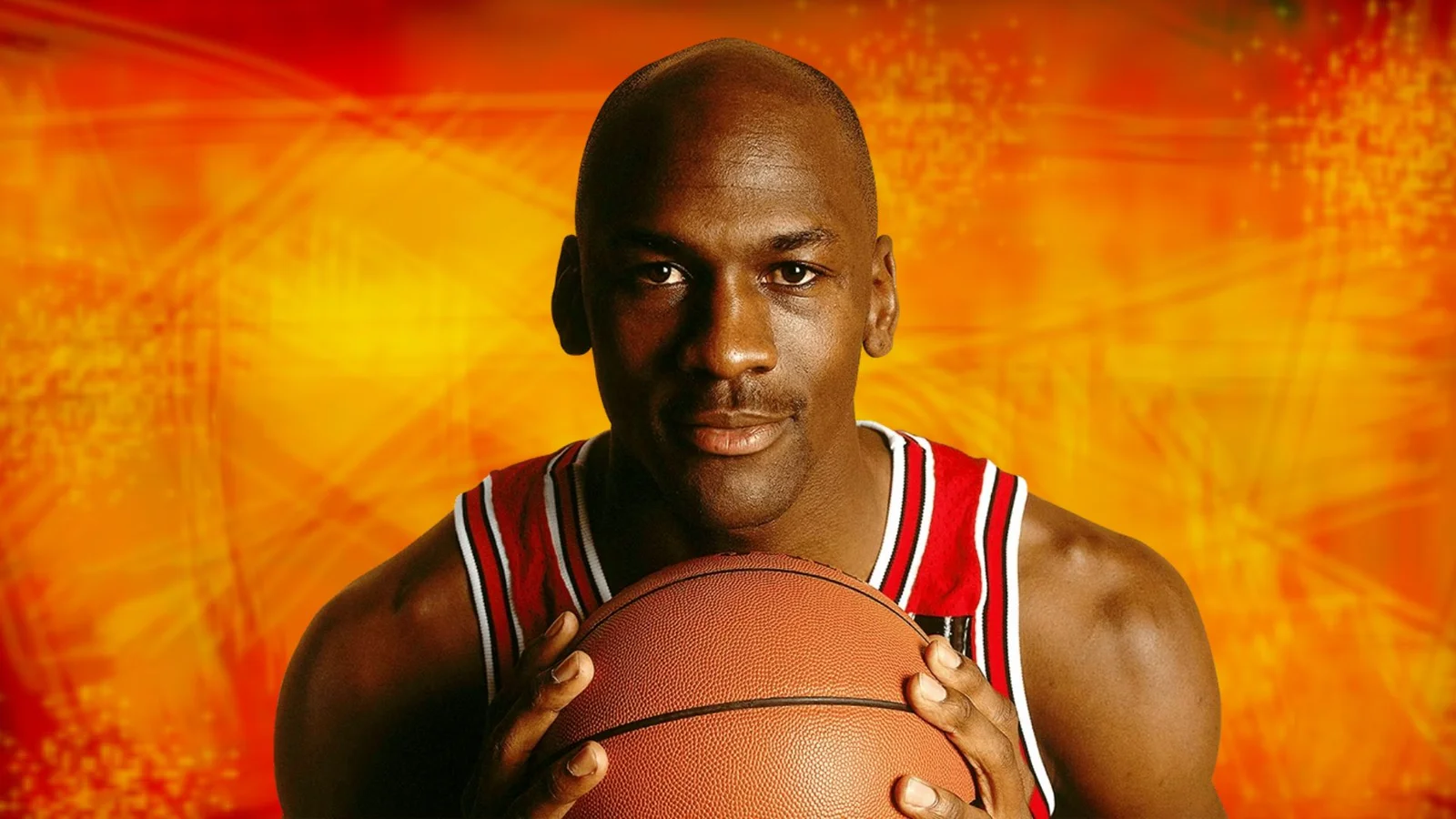
Not just unreal stats: Jordan set a mental, aesthetic, and competitive standard that still guides sports, fashion, and global communication today. Six titles, six Finals MVPs, an immortal icon.
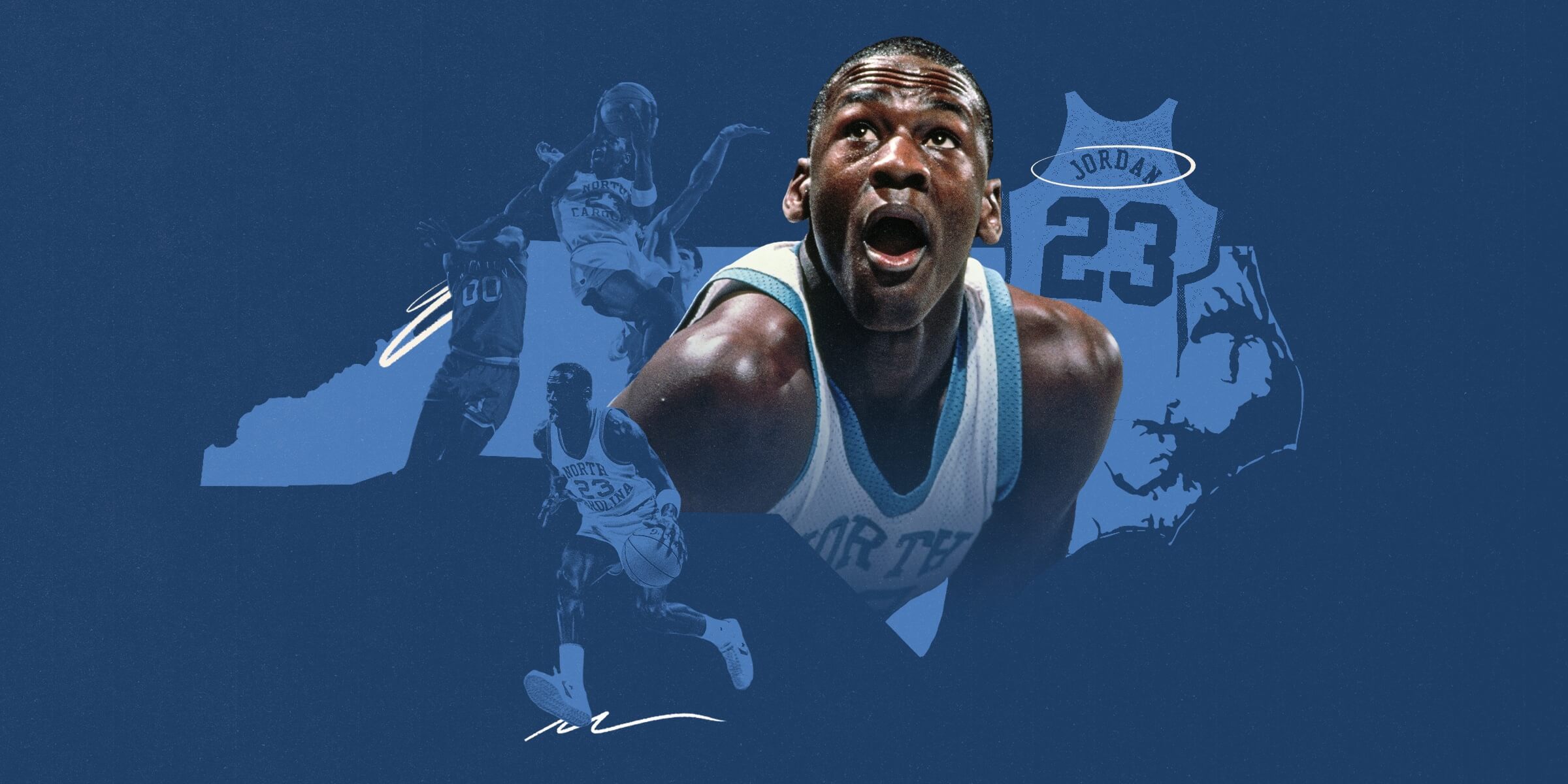
Michael Jeffrey Jordan was born in Brooklyn on February 17, 1963 and raised in Wilmington, North Carolina. At 15, he was cut from the high school varsity team for "insufficient height" — that exclusion became the fuel for obsessive training that led him, in a few months, to dominate every court he stepped on.
At the University of North Carolina, he scored the game-winning shot in the 1982 NCAA final against Georgetown. In 1984, he joined the Bulls as the 3rd overall pick of the Draft, behind Hakeem Olajuwon and Sam Bowie. His agent David Falk orchestrated a revolutionary contract with Nike worth $2.5 million over 5 years with royalties — an unprecedented agreement. He won Rookie of the Year averaging 28.2 points per game.
Decisive shot in the NCAA final with UNC — cold as ice at 19 years old
Average rookie points in 1984-85 — Rookie of the Year
Five-year Nike contract — the richest ever signed by a rookie
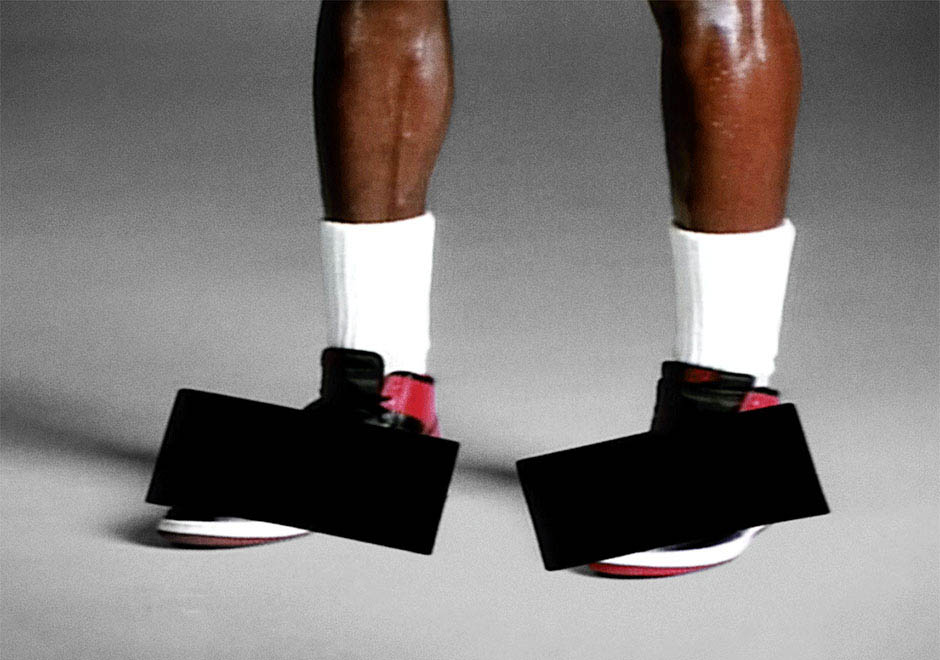
Nike launched the Air Jordan 1 in the red and black colors of the Bulls. The NBA banned it for violating the color rule, imposing a $5,000 fine per game. Nike paid the fine willingly — and turned the ban into the most genius advertising campaign in sports history. Result: $126 million in the first year, ten times the initial forecast.
Jordan himself didn't want Nike. He preferred Adidas. But Adidas didn't offer him a dedicated line. That rejection — cost Adidas tens of billions of dollars.
NBA bans the AJ1 — Nike pays the fines and gains millions in free publicity
First year sales — 10 times the initial target of $3M
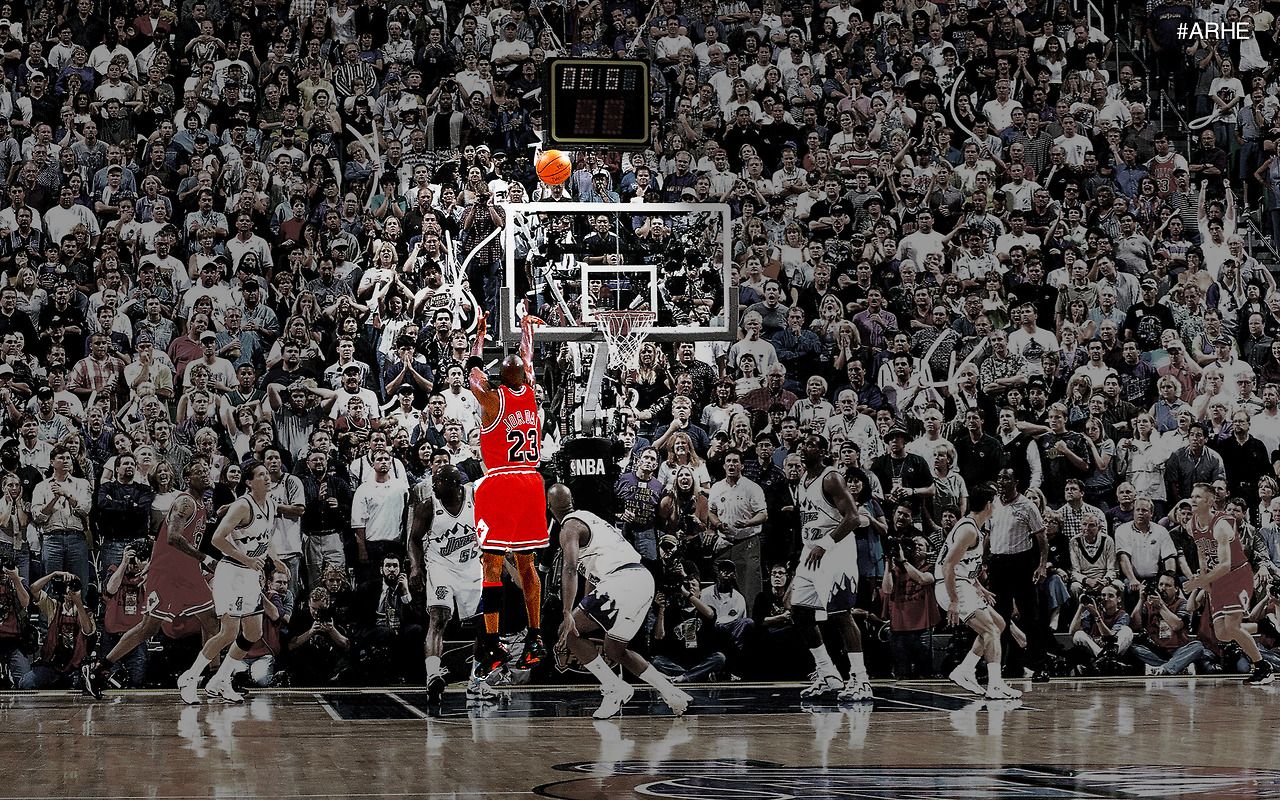
The first three-peat (1991-93) brought Jordan to global prominence. After his 1993 retirement and his return in 1995, the 1995-96 season became legendary: the Bulls finished 72-10, Jordan won his 4th title and was named MVP of the regular season, the Finals, and the All-Star Game in the same year.
Game 6 of the 1998 Finals: Jordan stole the ball from Karl Malone, shook Bryon Russell with a perfect crossover, and scored "The Last Shot" — the 17-foot jumper that set the final score at 87-86. Sixth title in six Finals played. Six Finals MVPs. The most perfect number in basketball history.
Finals played: 6. Won: 6. Finals MVP: 6. Pure perfection.
Game 5, 1997: 103°F fever, 38 points, and the fifth ring
Filmed in the summer of 1995 with the "Jordan Dome" — $250M box office
Isiah Thomas, Laimbeer, and Rodman invented the "Jordan Rules": a brutal defensive system designed solely to stop him. Three consecutive playoff eliminations. The frustration hardened Jordan: in 1991, he swept them in 4 games.
His father James Jordan was murdered. Devastated, MJ retired at 30 to pursue his father's dream: baseball. He signed with the Birmingham Barons. In March 1995, he sent a two-word fax to the press: "I'm back."
The two Finals against Utah produced iconic moments: Game 5 in '97 with a 103°F fever and 38 points. Game 6 in '98 with "The Last Shot" — a steal from Malone, crossover on Russell, jumper. 87-86. End.
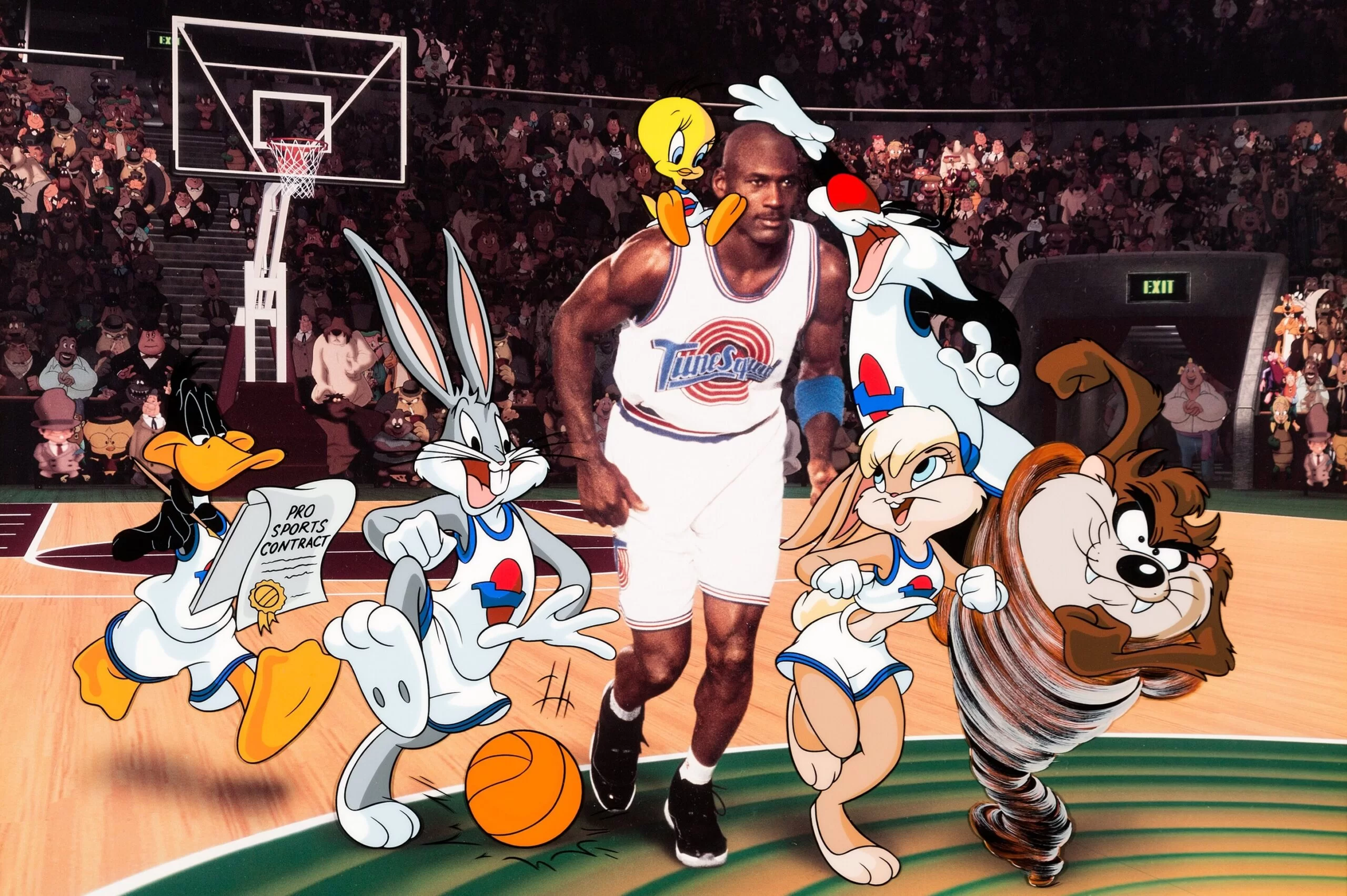
Space Jam (1996): Jordan teams up with the Looney Tunes against the Monstars. Warner Bros. built the "Jordan Dome" specifically for him to train. The AJ11 "Space Jam" worn in the film became an icon. Box office: $250 million. The first sports star of modern cinema.
The Last Dance (2020): 10-episode Netflix docuseries, 500 hours of unseen footage of the 72-10 season. Released during the pandemic, it triggered a global wave: +45% Air Jordan sales in the following weeks. Introduced MJ to Generation Z.
Air (2023): Ben Affleck (Phil Knight) and Matt Damon (Sonny Vaccaro) tell the story of how Nike signed Jordan in 1984. The turning point: his mother Deloris negotiated royalties. An agreement that generated a $5 billion a year empire.
Space Jam box office — Jordan as a global star beyond basketball
AJ sales after The Last Dance — MJ captured Generation Z
Annual Jordan Brand revenue — the most powerful sports brand in the world
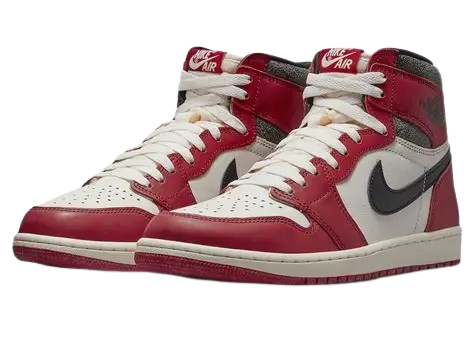 1985
1985
Designed by Peter Moore. Red and black leather upper, Nike Air in the heel. Banned by the NBA, turned into an icon: $126M in the first year. The shoe that started it all.
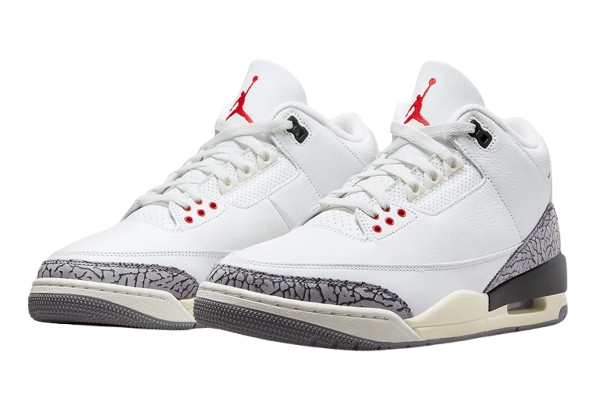 1988
1988
Tinker Hatfield's masterpiece that saved the Jordan-Nike relationship. Elephant print, visible Jumpman, Air in the heel. Worn during the dunk from the free-throw line.
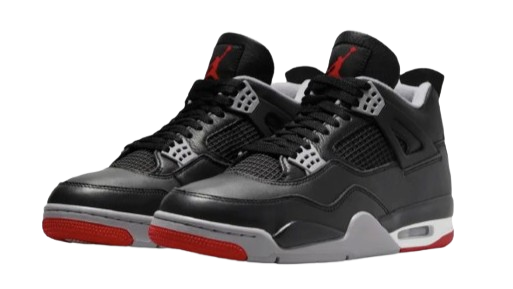 1989
1989
Second signature by Tinker Hatfield. Lateral mesh and TPU support. Made immortal by Spike Lee's Mars Blackmon character. The first sneaker with global hype.
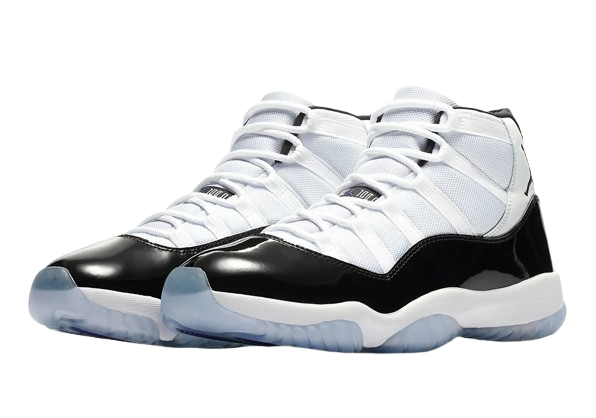 1995
1995
Also by Tinker Hatfield, inspired by automotive design. Shiny patent leather + Ballistic mesh. Jordan's favorite, worn during the 72-10 season and in Space Jam.
Explore iconic models in the shop or test your knowledge in the quiz.