
WIKI
SHOES
The Sneaker Experience
The Sneaker Experience
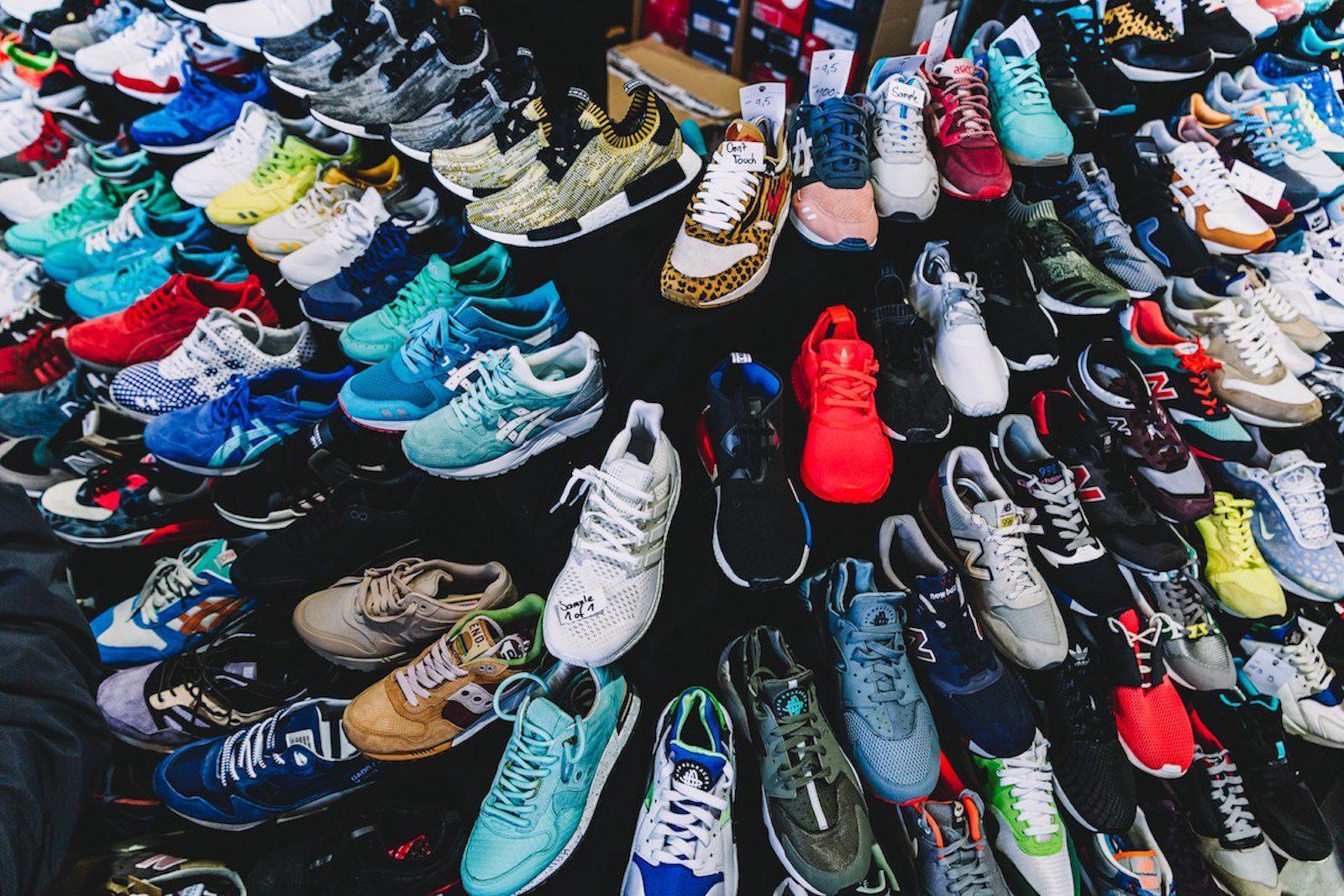
An editorial analysis of five millennia of evolution: craftsmanship, technology, social status, and visual language. To understand how the shoe has become one of the most powerful cultural symbols of our time.
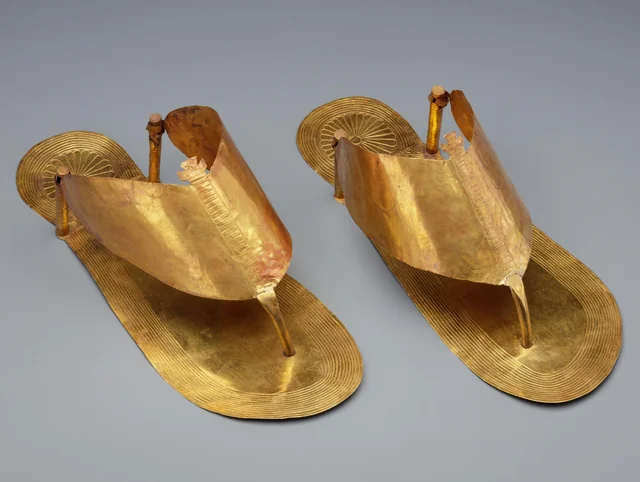
The first documented footwear dates back to ancient Egypt, around 3000 BC. Egyptian sandals, made of woven papyrus, palm leaves, and plant fibers, represented much more than simple protection. In pharaonic Egypt, the type of footwear indicated social status: peasants walked barefoot, priests wore white sandals, and the pharaoh wore golden sandals adorned with precious stones.
Tutankhamun's tomb contained as many as 93 pairs of sandals, many in solid gold — a testament to the ritual importance of footwear: they accompanied the deceased into the afterlife with dignity in the kingdom of Osiris.
First sandals in the Nile Valley, in papyrus and palm leaves
Found in Tutankhamun's tomb, including specimens in solid gold
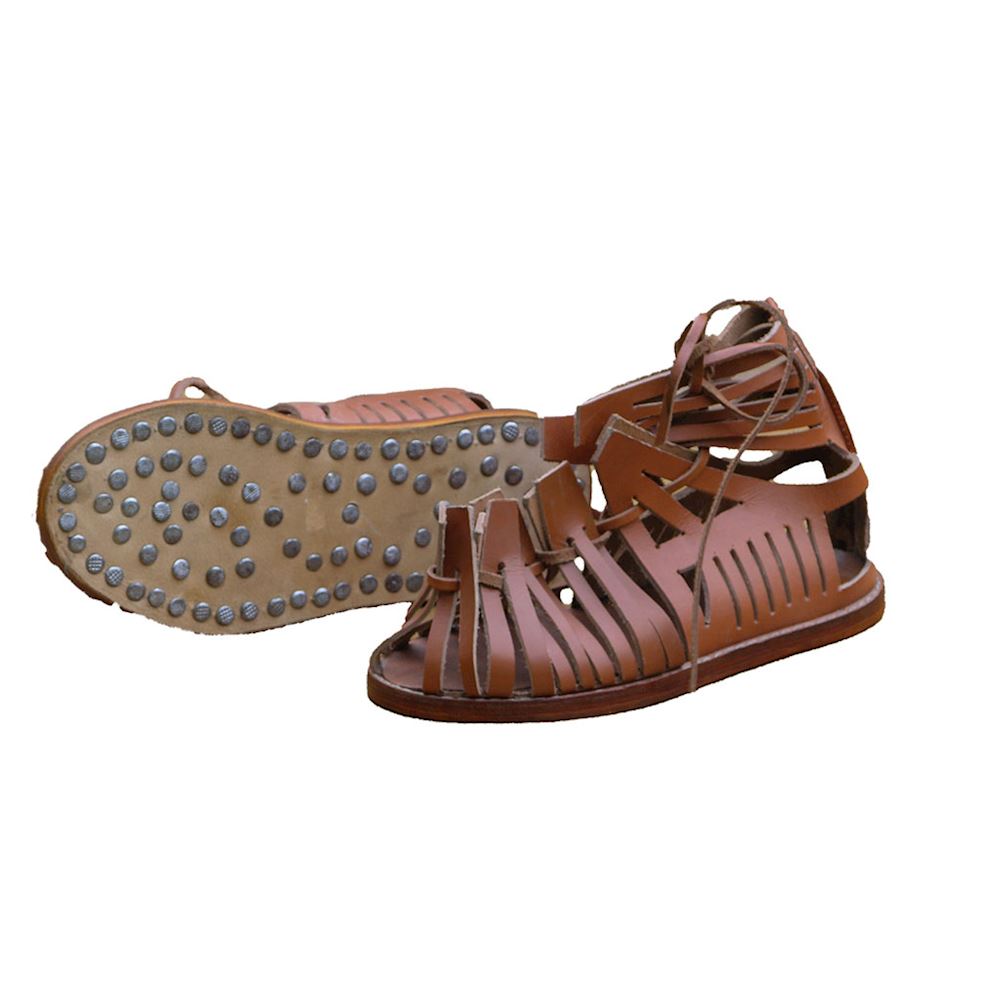
The Romans elevated footwear to a true indicator of social class. The calcei — closed boots made of soft leather — were reserved for senators, with colors varying by rank. The caligae, military sandals with hobnailed soles, allowed legionaries to march up to 30 km a day. Emperor Caligola owes his nickname to them: caligula means "little boot".
Hobnailed military sandals that allowed legionaries to conquer half the world
Roman sumptuary laws regulated colors and materials by social class
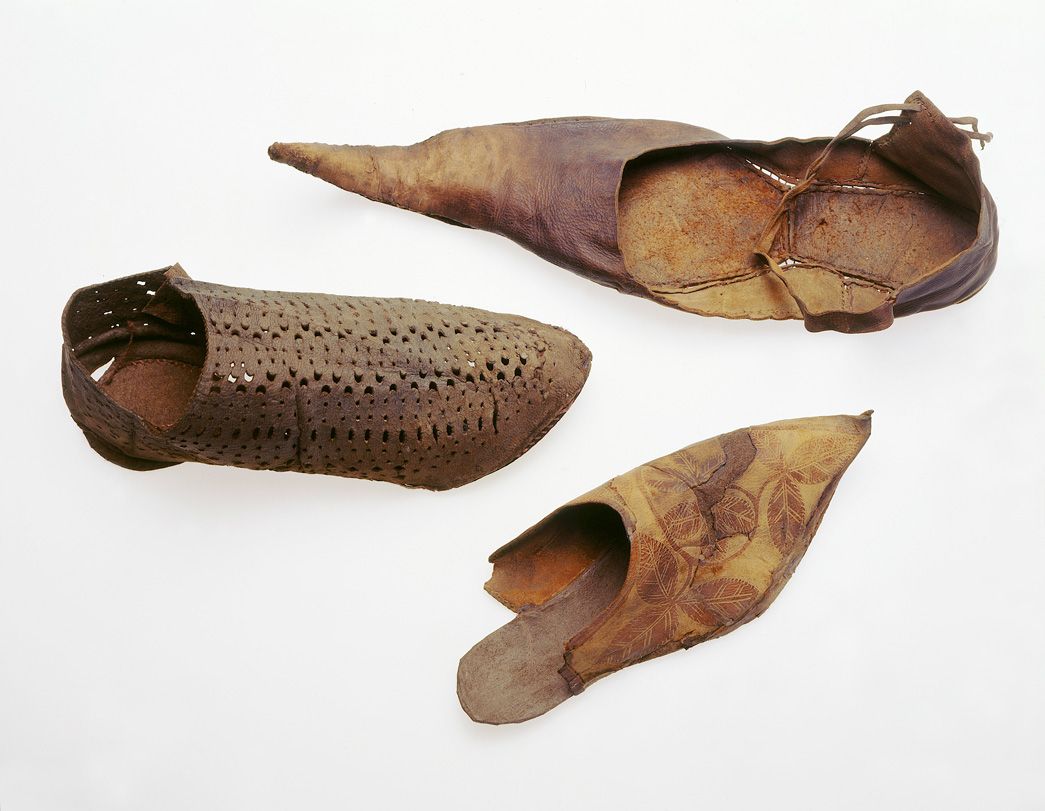
In medieval Europe, the shoe became the first true fashion statement. The poulaines of the 14th century had pointed toes up to 60 cm long, requiring chains attached to the knee to walk. The longer the tip, the higher the status. The shoemakers' guilds passed down secret leatherworking techniques — in Florence, the calzaioli were among the wealthiest and most influential.
The poulaines were so excessive that in 1368 King Charles V banned them for common citizens. The Church condemned them as "Satan's claws", but the fashion persisted for over a century — proving that the allure of footwear overcomes any prohibition.
Maximum length of poulaines' pointed tips in the 14th century
Shoemakers' guilds controlled quality and apprenticeship throughout Europe

In 1964, Phil Knight and Bill Bowerman founded Blue Ribbon Sports with just $1,200. In 1971 Bowerman invented the Waffle sole by pouring molten rubber into his wife's waffle iron — pure revolution. Student Carolyn Davidson designed the Swoosh for $35. The company became Nike in 1978, named after the Greek goddess of victory.
In the 70s and 80s, the sports shoe became a cultural symbol. The Adidas Superstar was adopted by hip-hop: in 1986, Run-DMC took the stage at Madison Square Garden wearing laceless Superstars and signed the first rap-brand endorsement contract in history for $1.6 million. The Vans Old Skool became the skateboarders' manifesto. The shoe was no longer just equipment: it was an identity.
Initial investment by Knight and Bowerman in 1964
Carolyn Davidson's fee for the Swoosh design
First musical endorsement in sneaker history: $1.6M
The name since 1978: Nike, Greek goddess of victory
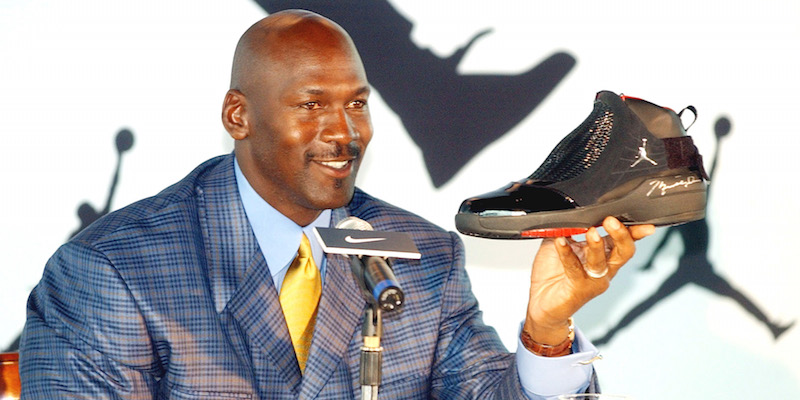
In the summer of 1984, Michael Jordan preferred Adidas — but Adidas didn't want to give him a signature line. Nike went all in: $2.5 million over 5 years. The Air Jordan 1 was banned by the NBA for its colors; Nike paid the $5,000 fine per game and launched the "Banned" campaign — the most genius advertising in sports history. First year sales: $126 million, 40 times the initial goal. The 1995-96 season — the most legendary: Bulls 72-10, Jordan starred in Space Jam, and with the AJ11 in patent leather, he became a global pop icon.
In 2011, the re-release of the AJ11 "Concord" caused riots in over 20 US states. Hundreds slept outside stores for days. A basketball shoe had become the most coveted object of desire on the planet.
Five-year Nike-Jordan contract, the richest ever for a rookie
NBA bans the AJ1: Nike pays $5,000 per game and makes millions
First year sales — 40 times the initial goal
The AJ11: first basketball shoe considered a luxury and fashion item
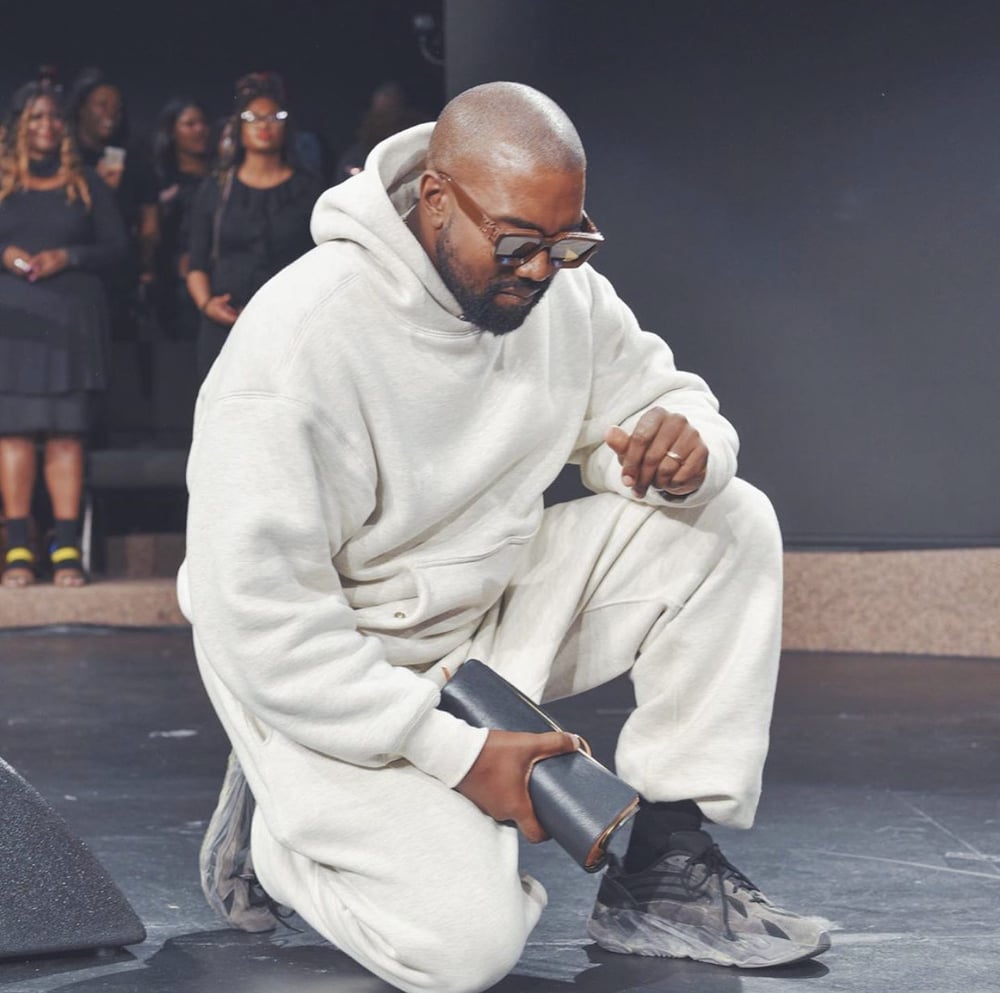
In 2013, Kanye West launched Yeezy — Adidas — generating over $1.7 billion at its peak. In 2017, Virgil Abloh with "The Ten" — Nike deconstructed iconic models: the AJ1 "Chicago" reached $7,000 in resale. The Dior — AJ1 (2020) — only 13,000 pairs, 5 million raffle entries, $10,000+ resale — marked the pinnacle of high fashion and sneaker culture intersection. StockX registered $7.5 billion in transactions in 2021: sneakers are now financial assets.
The future is sustainable: Nike launched "Move to Zero" and the Space Hippie (90% recycled materials). Adidas — Parley transforms ocean plastic into shoes — 30 million pairs. From papyrus sandals to ocean plastic sneakers: 5,000 years of circular history.
13,000 pairs, 5M raffle entries, resale $10,000+
StockX 2021: sneakers as financial assets
Nike aims for zero carbon and zero waste by 2030
Adidas — Parley: ocean plastic turned into sneakers
Now that you have the context, explore the pages dedicated to Jordan and iconic models with vision and clarity.